Back to the welcome page
Discover northeastern Hungary

What is there to discover nearby?

Start in our own village of Borsodszentgyörgy, then discover Eger, the Bükk Mountains and Szilvásvárad. Read on for culture, nature and relaxation.

Borsodszentgyörgy: our home among the green hills
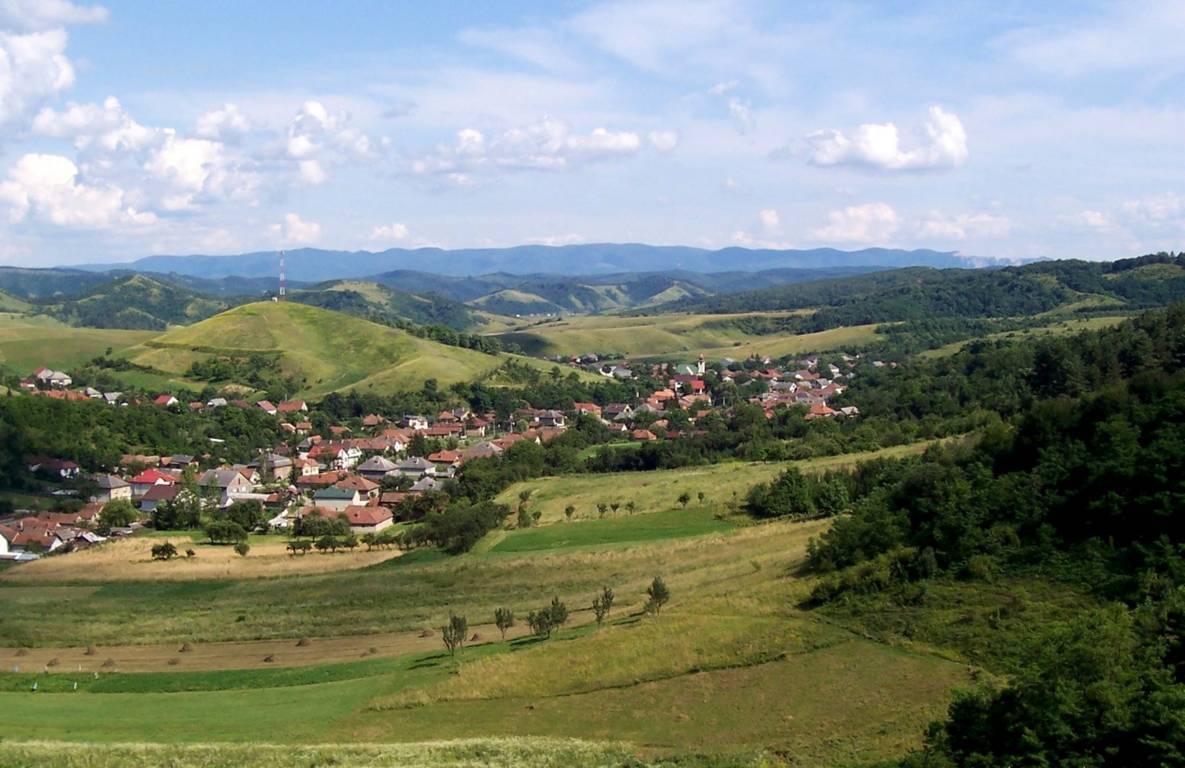
A summer view of Borsodszentgyörgy
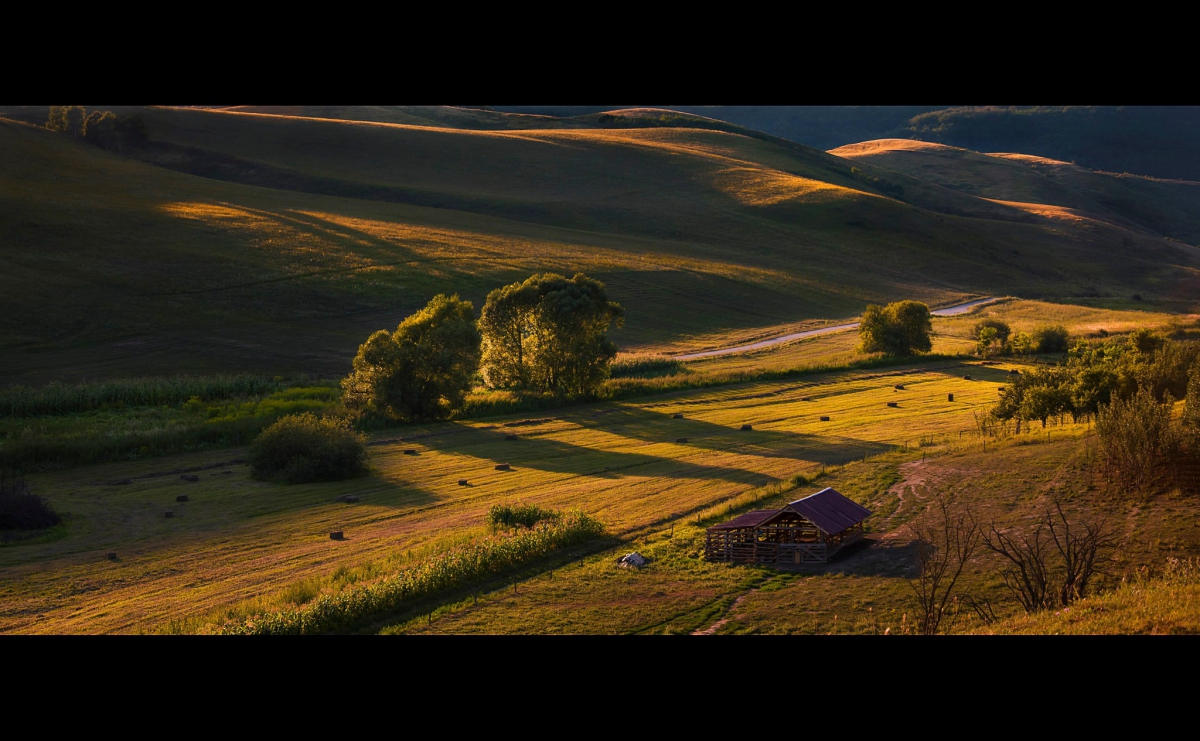
Evening light over the hills near Borsodszentgyörgy

Photos: Réz Gábor · Kóczián Tamás

Discover our village: a green valley, centuries of history and the place where we are building MOSOLY.

Read more · about 1 minute

Borsodszentgyörgy lies in a quiet, wooded valley in northern Hungary. The Szentgyörgy stream runs through the village. Arriving via Arló, you can discover a rural part of Hungary.

The village has a history spanning centuries. According to the municipal history, it first appeared in documents in 1371. Formerly known as Disznósd, it received its present name on 1 April 1935, referring to its patron saint, Saint George.

Agriculture, mining and industry played an important part in village life. Fruit growing was also part of its heritage, including plums, apples and pears.

A distinctive building is the Roman Catholic church. The foundation stone of the present church was laid in 1770, and the building was later altered and extended. The local heritage house, or tájház, also preserves memories of village life. According to the municipal information, this private collection can be visited by prior arrangement.

Today, the village and surrounding hills offer a lovely setting for walking and exploring. For us, Mark and Marco, Borsodszentgyörgy is now home. Here we are building MOSOLY, where we look forward to welcoming you after opening.
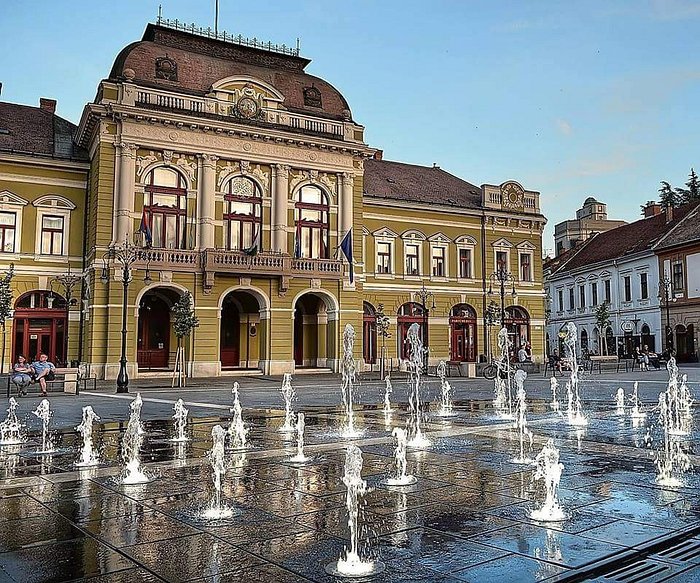
Eger, a Hungarian wine town

The historic centre of Eger
The statue of István Dobó in Eger
The thermal limestone terraces of Egerszalók, near Eger

An atmospheric historic town in a famous Hungarian wine region. Discover the castle, shopping streets, wine cellars and thermal baths.

Read more · about 2 minutes

Some towns are discovered by working through a checklist. Eger is better explored by turning down a street, looking up and stopping somewhere along the way. Baroque façades, squares and café terraces make it a lovely destination for a day where history, good company and good food come together naturally. Start at Dobó Square for a first impression of the town, with the castle above the houses and the statue of István Dobó recalling its famous past.

That past stretches back a long way. King István made Eger an episcopal seat, laying the foundations for an important religious centre. The castle later became a stronghold against the Ottomans. In 1552, the defenders led by Dobó held out against the besieging army. The fortress still tells that story, while the minaret and Turkish bath recall the later Ottoman presence. Walking back into the centre takes you from military history to colourful façades and a cup of coffee.

Eger is also enjoyable for anyone who likes shopping and browsing. In the pedestrian streets, small shops and souvenir stores can be combined with lunch, ice cream or cake. For a more extensive shopping trip, there is Agria Park shopping centre. Avoid planning the day too tightly: the unexpected side street and the terrace where you linger give a town visit its charm. Here, it is fine if the schedule runs a little late.

And then there is the wine. Eger is one of Hungary’s well-known wine regions. Egri Bikavér, the red wine known as “Bull’s Blood”, blends several grape varieties. The region also produces Egri Csillag, a white blend. In Szépasszonyvölgy, the Valley of the Beautiful Woman, wine cellars take centre stage: a place to explore different styles and discover your favourite at leisure. The tale that bull’s blood gave the castle’s defenders strength is one of the legends surrounding the wine.

Prefer relaxing in warm water? Eger has a thermal bath and a historic Turkish bath with an impressive dome. The surrounding area offers bathing too. In nearby Egerszalók, mineral-rich thermal water has formed white limestone terraces, often called the “salt hill”. These appear in our third photo. You can combine culture and shopping with wine or wellness. Back at Mosoly, we would love to hear about your favourite discovery.

More information for your visit Eger: sights and baths The Eger wine region

The Bükk Mountains & caves

Wooded hills in the Bükk Mountains
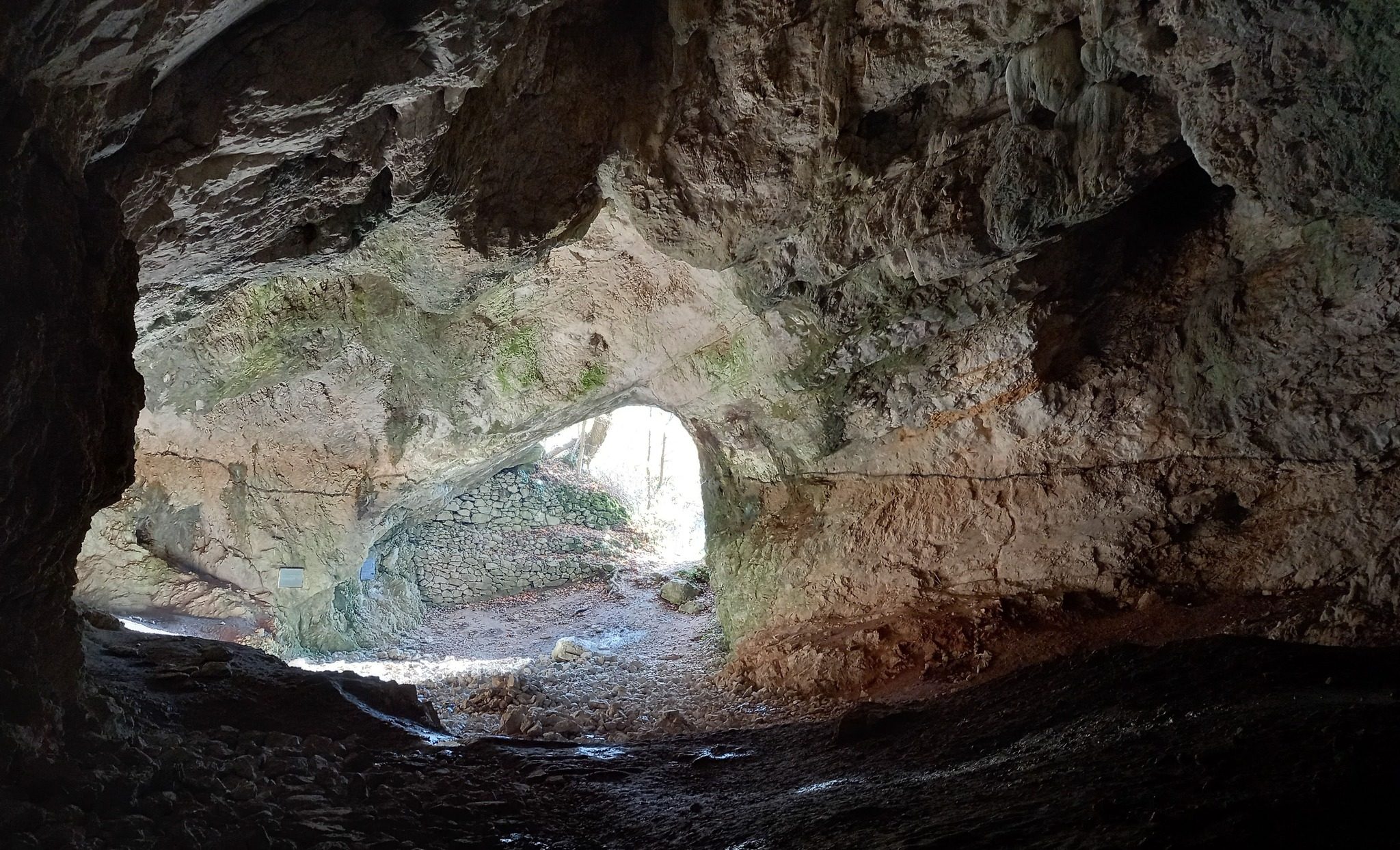
A cave in the Bükk Mountains
A roe deer in green woodland

Forests, limestone mountains and an underground world. Discover the Bükk Mountains and the remarkable caves near Lillafüred.

Read more · about 2 minutes

Anyone who mainly associates Hungary with the flat puszta will discover a very different world in the Bükk Mountains. Wooded slopes roll into one another, paths wind between trees and limestone rocks rise above green valleys. This is a region for slowing down. A short walk with frequent photo stops is as much an outing as a demanding hike. The main difference is how many sandwiches you put in your backpack.

A significant part of the range lies within Bükk National Park. The landscape has stories to tell below ground as well as above it. Water has formed caves and underground passages in the limestone. What you see on the surface is only part of the story. Forests, plateaus, springs and caves belong together here. Choose a marked route suited to your fitness and take time to look around. Sometimes the loveliest memory is a quiet stretch of woodland rather than a viewpoint.

Lillafüred is a well-known base. The Palotaszálló, a hotel resembling a fairytale castle, stands by Lake Hámori among wooded slopes. Together with the terraced gardens and waterfall, it is a place where your camera almost comes out of the bag by itself. The forest railway offers another way to explore: you do not have to walk every kilometre to enjoy the greenery. A day in the mountains therefore also appeals to those who enjoy combining walking with leisurely sightseeing.

Near Lillafüred are two very different show caves. Szent István Cave is a stalactite cave with chambers and limestone formations slowly shaped by water. Anna Cave has an unusual origin in freshwater limestone. Plant remains enclosed in the limestone form part of its story. One cave focuses on stalactites and underground spaces; the other shows how water, plants and limestone can create a surprising landscape together. A visit is much more than simply taking a quick look underground.

You can spend a day here walking, visiting a cave and pausing by the lake without ticking everything off a list. The show caves have guided tours and changing visiting arrangements; check with the national park beforehand to see which visits are available. Above all, the Bükk Mountains invite you to return. The first time you see a mountain region. Next time you recognise a path, a view or that lovely spot where you could simply do nothing for a while.

Szilvásvárad, horses & nature

A horse at the Szilvásvárad stud farm
Veil Falls in the Szalajka Valley
A green lake in the Szalajka Valley

Photos: Papp László Gyula · Globetrotter19 · Mrcsifkin · CC BY-SA 3.0

Discover the Lipizzaner horses, the large equestrian stadium and the Szalajka Valley. A day of animals, woodland, water and a ride on the forest railway.

Read more · about 2 minutes

On the edge of the Bükk Mountains lies Szilvásvárad, a place that gives horse lovers and walkers alike reasons to be excited. The name may take a little practice, but the plan for your day is simple: start with the horses, head into nature and leave time for something tasty along the way. You do not have to choose between culture and fresh air here. They are pleasantly close together.

Szilvásvárad is an important centre of Hungarian Lipizzaner breeding. The state stud farm was founded in 1952 to preserve Hungary’s breeding tradition for this horse breed. The historical exhibition explains more about the horses, their training and their role in equestrian sport. There is also a carriage museum. Anyone who mainly knows horses from roadside fields can discover how much history and craftsmanship lies behind a stud farm. The large Lipizzaner Equestrian Stadium is also part of this horse culture.

Depending on what is available, you can plan a stud farm visit or a horse programme. For demonstrations, carriage rides and events, check the current programme in advance. A stadium is not hosting a competition every day, after all. Even without a major event, the combination of horses, historic buildings and exhibitions is a good reason to explore Szilvásvárad. Children who enjoy animals and adults interested in tradition will each find something to engage them.

Next comes the Szalajka Valley. The forest railway carries visitors into the green valley, while walking paths follow the stream, trout ponds and springs. A well-known sight is Fátyol-vízesés, the Veil Waterfall, where water flows over natural limestone terraces. You can combine the train with a walk and decide how much of the route to cover on foot. The sound of water, shade of the trees and variety along the way make it more than a walk to a destination.

For further exploration, there are the Millennium Lookout Tower and Istállós-kő Cave, reached by walking routes that may require more effort. Take your fitness and the terrain into account. Still keen for another discovery after your day out? Lillafüred lies in the same mountain region and offers a lake, caves and its own forest railway. One outing soon sparks interest in the next. Back at Mosoly, there will certainly be plenty to talk about.

Back to the welcome pageContact & reservations